

Earlier this month, Alex and Amy headed up to the Humber for the British Ports Association Annual Conference. With so many of our members based in the region, they decided to make the most of their time there by visiting several ports that play a central role in the Humber’s maritime ecosystem.
What followed was an inspiring few days exploring how ports across the region – from Goole and Hull to Groveport and the Humber Bulk Terminal – are evolving to meet new economic, environmental and technological challenges. Each visit offered a unique perspective, but together they told a powerful story of progress, innovation and community.
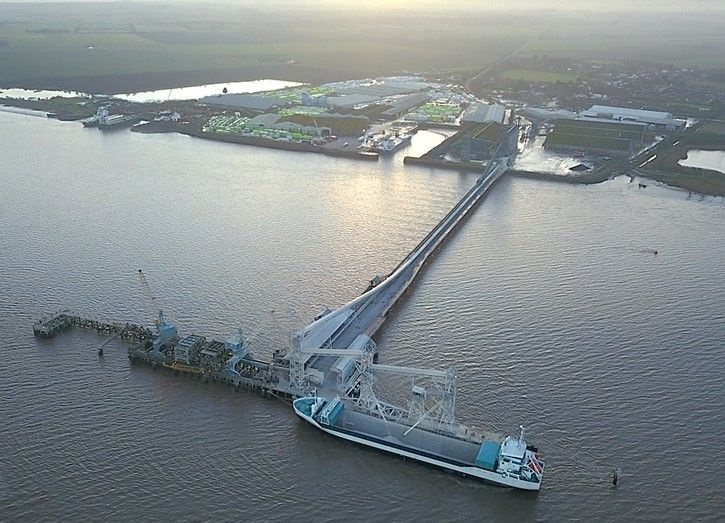
Goole: The Inland Port at the Heart of Industry
Goole is the UK’s most inland commercial seaport, sitting around 50 miles from the North Sea and deeply integrated with the town around it. With strong road, rail and canal connections, it handles a diverse mix of cargoes – from containers and steel to forest products and bulk goods, serving as a vital logistics hub for West and South Yorkshire.
Every shed on site is currently fully occupied, underlining the strong demand for flexible and well-connected port infrastructure. Goole is a reminder of how ports can play an active role in local economies, supporting multimodal freight, generating employment and thriving alongside the communities they serve.
Hull: Building the Future of Offshore Wind
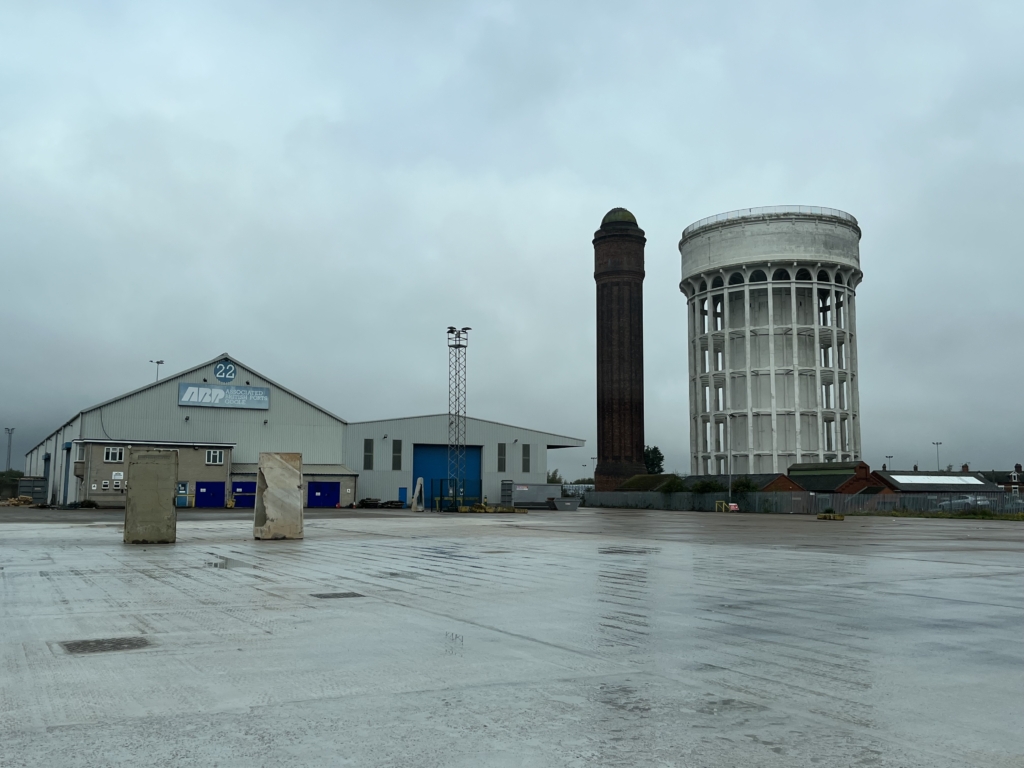
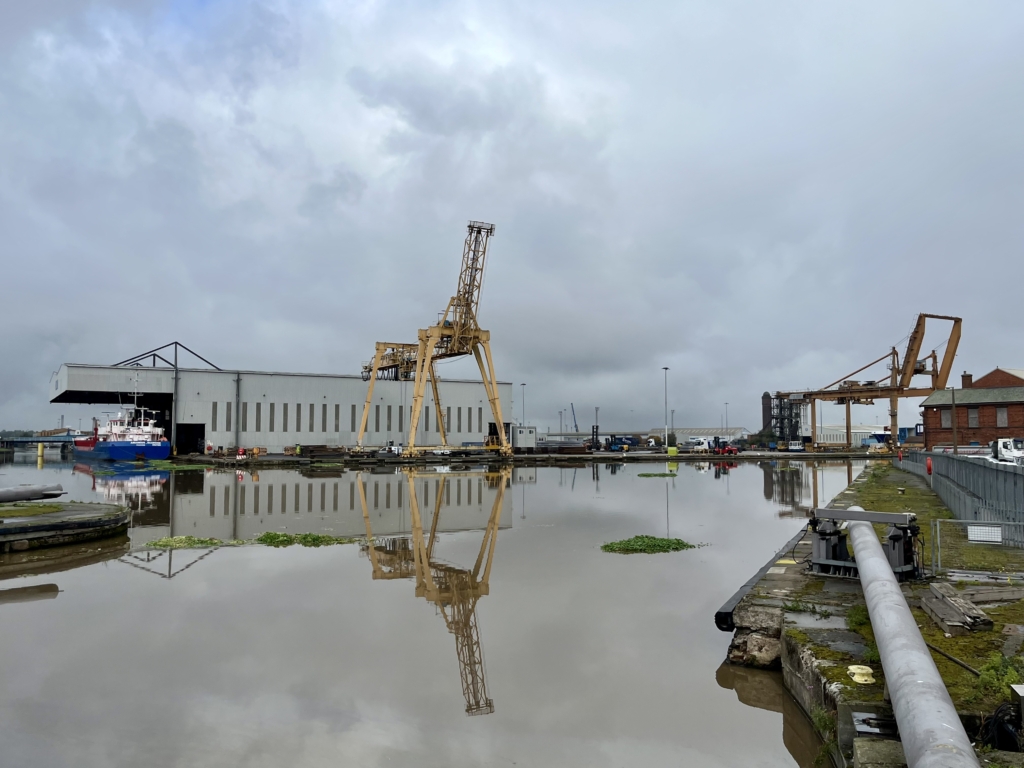
Across the Humber at Hull’s Alexandra Dock, the transformation from a traditional cargo port to a hub for renewable energy is striking. The partnership between ABP and Siemens Gamesa Renewable Energy has created a world-leading offshore wind manufacturing facility, now expanding to produce blades over 108 metres long, longer than a football pitch or an Airbus A380.
This cutting-edge capability is supported by large-scale infrastructure including quays, laydown areas and storage zones. Beyond offshore wind, the wider Hull estate hosts a broad mix of tenants and cargoes: from timber and animal feed to liquid bulks and renewables-related components. This diversity not only strengthens economic resilience but helps deliver long-term, well-paid employment to the region.
Groveport: People, Progress and Precision
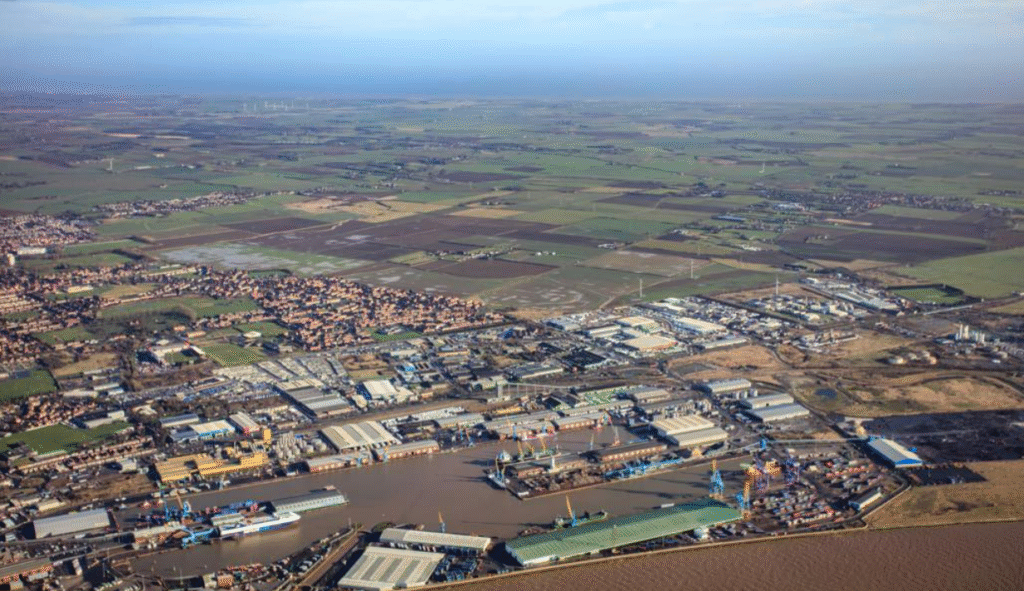
Further inland, on the River Trent, Groveport stands as a major hub for steel logistics and smart industrial operations. Despite its low profile on the map, its scale on the ground is impressive. The site combines heavy industry with smart logistics, using technology to improve efficiency, safety and environmental performance.
A standout example: the introduction of a differently configured crane has cut vessel unloading times from two days to just eight hours – a powerful demonstration of innovation in action. What’s even more impressive is the culture behind it. Many of the team have decades of experience – one member marking 50 years on site – yet the spirit of adaptability and continuous improvement is clear.
Groveport also reflects a growing commitment to inclusion and progression within the ports sector. Conversations on site revealed a genuine desire to open opportunities for people from all backgrounds, helping build an industry that is both diverse and dynamic.


Humber Bulk Terminal: Heritage Meets Modernity
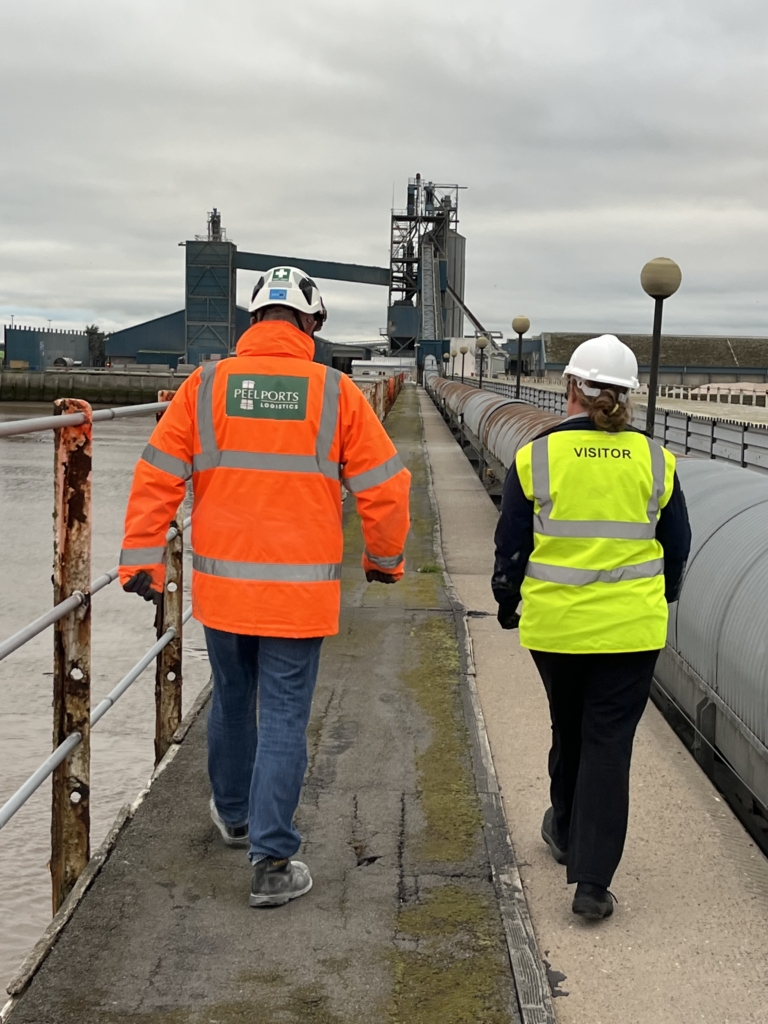
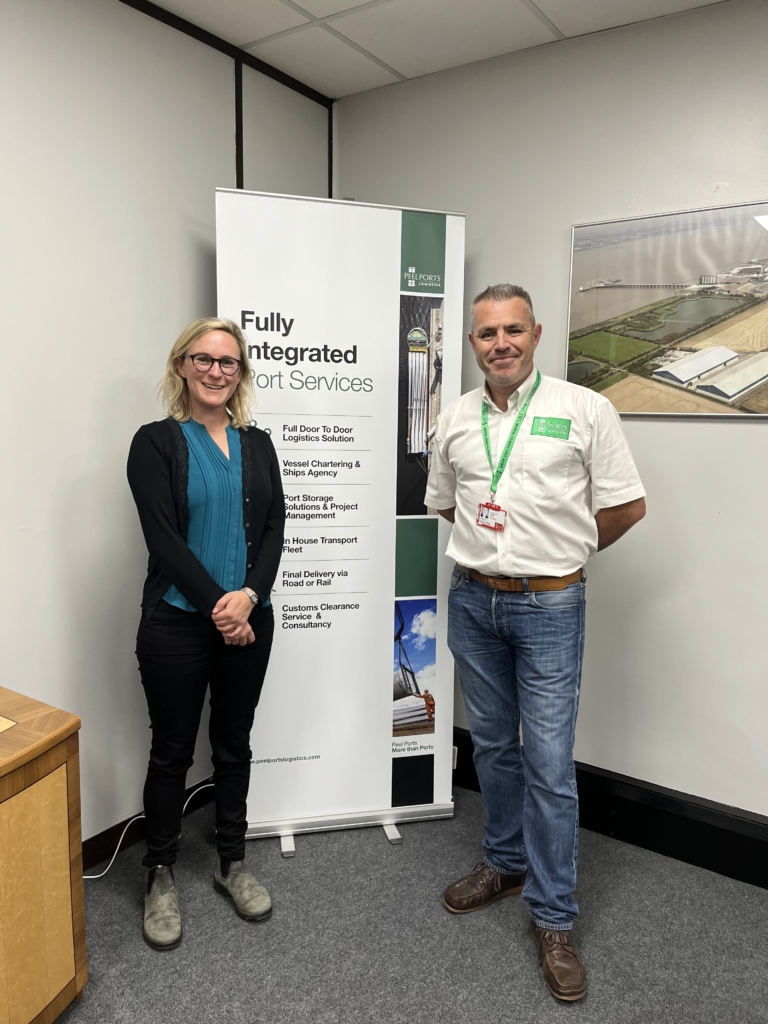
The final stop on our tour was the Humber Bulk Termina, a site that captures both the heritage and future of the region’s maritime sector. Once part of the ferry service across the Humber, the port still retains elements of its historic terminal buildings, even as it has been transformed into a state-of-the-art bulk handling facility under Peel Ports Group’s ownership since 2023.
Walking the pier today, it’s clear how far the site has evolved. Bulk vessels now discharge directly into long conveyor systems, reducing manual handling and improving both safety and efficiency. New equipment, modern handling systems and streamlined flows all point to a commitment to clean, safe and smart operations.
The cargo diversity here is equally fascinating, including imports of silica sand used in the production of gin bottles, a perfect example of how ports connect raw materials to high-value manufacturing. As our CEO Geraint Evans often says, “No port is an island” and the Humber Bulk Terminal perfectly illustrates that principle in motion.
A Connected System Driving Sustainable Growth
From Goole’s inland wharves to Hull’s offshore wind hub, from Groveport’s precision logistics to the Humber Bulk Terminal’s modernised bulk operations, the region’s networked approach to freight movement is a major strength. These ports work together to support inland and coastal shipping, enable modal shift, and unlock clean growth opportunities for the UK.
At the UK Major Ports Group, we are focused on helping ports grow sustainably – strengthening regional economies, supporting innovation, and playing a central role in delivering the UK’s net zero and economic ambitions. The Humber is proof that with investment in people, infrastructure and long-term vision, ports can continue to evolve – building on their heritage while powering a cleaner, more resilient future.