

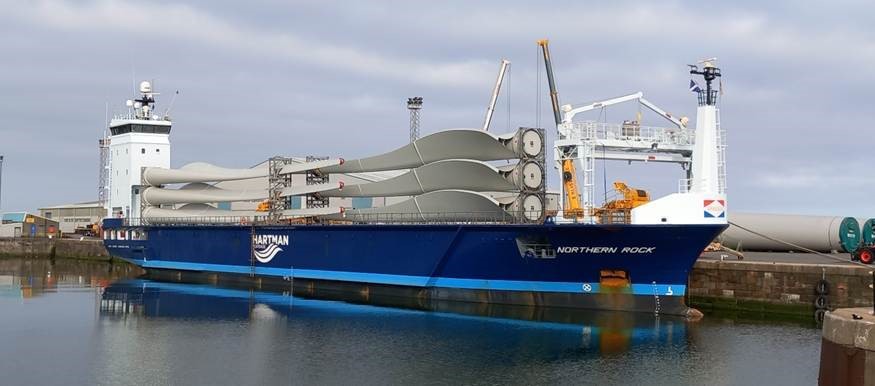
Scotland’s ports are critical national assets, playing a central role in supporting economic growth, high-value jobs, international trade, offshore renewables, defence and resilient supply chains. As domestic and global competition for infrastructure investment intensifies, the policy environment in Scotland will be a decisive factor in determining how much further ports can contribute to national economic and net zero ambitions.
Today, in conjunction with our members in Scotland: Associated British Ports, Forth Ports and Peel Ports Group, the UK Major Ports Group has published a position paper setting out the case for targeted policy action to unlock long-term private investment in port infrastructure. The paper focuses on practical, deliverable measures that would strengthen Scotland’s competitiveness and investment proposition.
UKMPG_08-Position-Paper_FINALKey policy priorities
The position paper highlights three priority areas where government action would make a material difference:
- A Scotland-wide Defence Growth Deal, recognising the strategic importance of ports in supporting defence capability, security and industrial capacity
- Planning (including marine) improvements to provide greater certainty, clarity and pace for port-related development and infrastructure investment
- Freight incentives reform, to strengthen Scotland’s competitiveness, support modal shift and improve supply chain resilience.
Together, these measures would help ensure Scotland’s ports are able to support future growth in clean energy, trade and strategic industries.
Growing focus on the role of ports
The issues raised in the position paper are also reflected in coverage published today in The Herald, highlighting the increasing recognition of the role ports play in Scotland’s economic resilience, energy transition and national infrastructure.
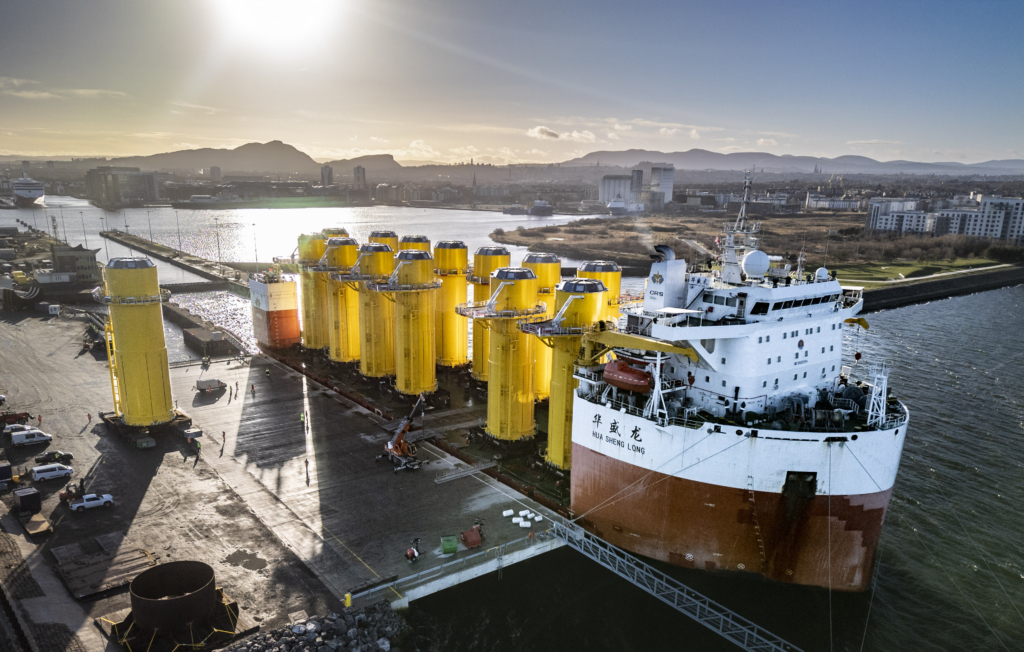
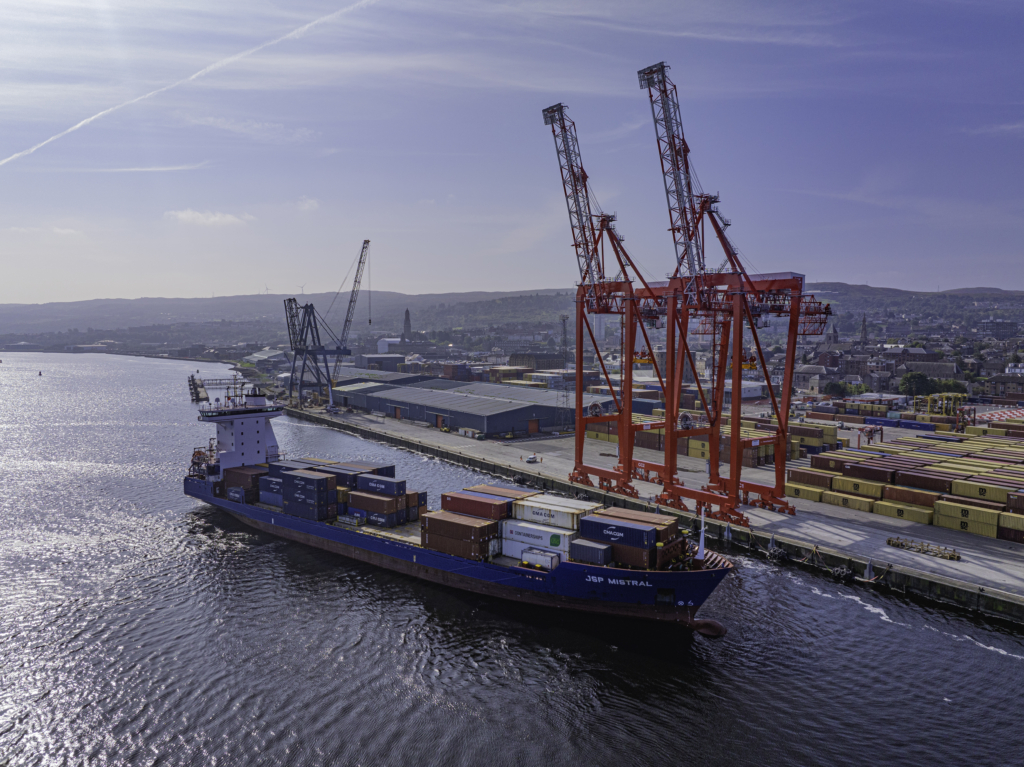
Next steps
We are keen to engage constructively with MSPs, candidates and party policy teams on the recommendations set out in the paper and welcome the opportunity to discuss the findings in more detail.