


As part of our recent visit to Scotland, the UK Major Ports Group team had the privilege of engaging with some transformative port projects and visionary stakeholders. With offshore wind and renewable energy firmly at the heart of the UK’s energy future, our visit underscored the critical role ports play as enablers of the energy transition.
Our visit included a tour of the Leith Renewables Hub—Scotland’s largest offshore wind development area. Bolstered by its Forth Green Freeport Tax Site status, the hub has already attracted over £100 million in private sector investment. It recently marked a major milestone with the Inch Cape Offshore Wind Farm becoming the first significant renewables project secured for the site.
Hosted by Forth Ports, we brought together representatives from across the ports sector, government, and renewable energy industry to explore the site’s enormous potential. Leith is a prime example of how ports can drive economic growth and support the UK’s transition to a low-carbon future. The site’s transformation highlights the importance of strategic investment, policy support, and collaboration in achieving national energy ambitions.
Beyond Leith, our itinerary took us to other key Scottish ports including Hunterston PARC, and the ports of Ayr and Troon. Each site demonstrated exciting progress in offshore wind infrastructure, port development, and logistics, reflecting growing momentum across the sector.
These visits weren’t just observational—they were collaborative. We convened port leaders, policymakers, and stakeholders to discuss challenges and opportunities, culminating in a high-level dinner aboard Fingal, where conversations focused on unlocking the full potential of ports to drive renewable energy growth and economic resilience.
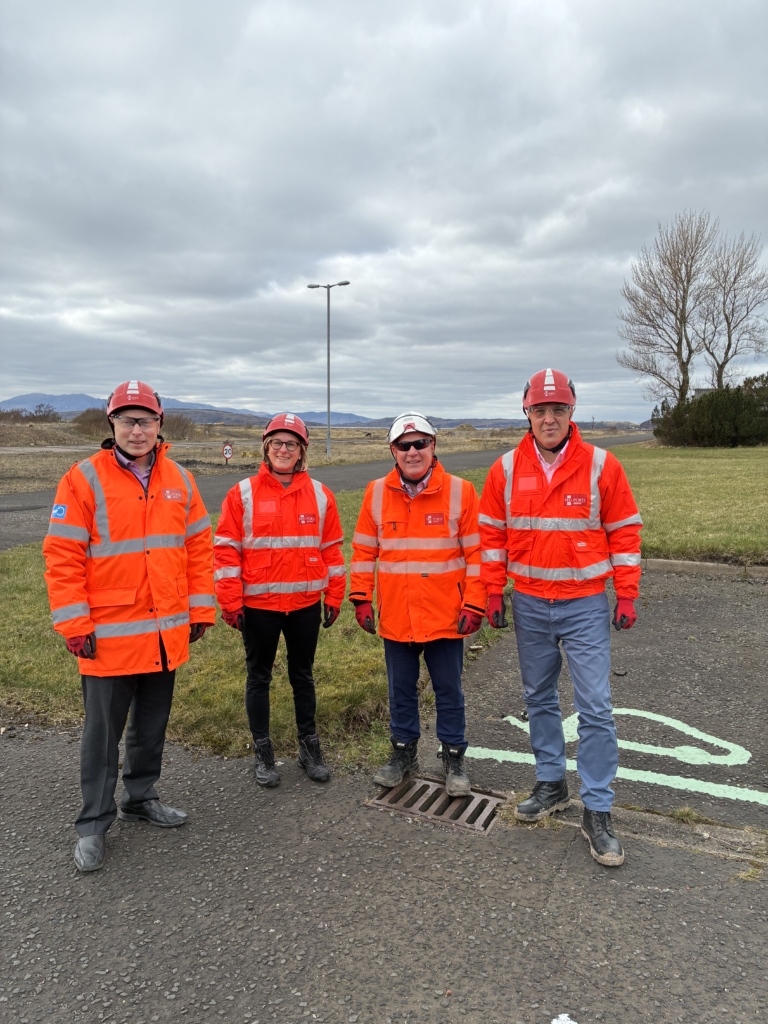

Crucial to the success of these efforts is coordinated engagement between industry and government. During our time in Scotland, we held productive discussions with a wide range of stakeholders including MSPs, Scottish Government and Transport Scotland, Crown Estate Scotland and The National Wealth Fund – to name a few. These engagements focused on aligning investment, infrastructure, and policy to ensure the UK remains a global leader in maritime innovation and the green economy.
The challenge and opportunity of the energy transition demand a new way of working—one rooted in strategic collaboration and long-term thinking. Our time in Scotland reaffirmed that major ports are not just gateways for trade—they are gateways to a cleaner, more resilient energy future.


Some final thoughts after our visit:
Ports aren’t just gateways—they’re engines for local growth. Investment in places like Leith and Hunterston is already creating jobs, supporting communities, and laying the foundation for long-term economic success.
The offshore wind opportunity is real—but so is the challenge. To seize it, we need joined-up thinking, better collaboration, and a focus on speeding up delivery across the board.
Foundational industries matter. Logistics, manufacturing, and construction aren’t just background players—they’re vital to making port development and the wider energy transition a success.
Private investment is coming in—but it needs a stable runway. Continued support from policymakers, including faster planning and consenting, will be crucial to keep things moving.
No port is an island. The real impact happens when ports work with government, industry, and each other. Collaboration is essential if we want to compete globally and capture more value here in the UK.
We extend our sincere thanks to our hosts at Forth Ports Limited, Peel Ports Group, and Associated British Ports, as well as the many partners and stakeholders who contributed to this valuable and inspiring visit. Together, we can build a stronger, greener maritime sector.